

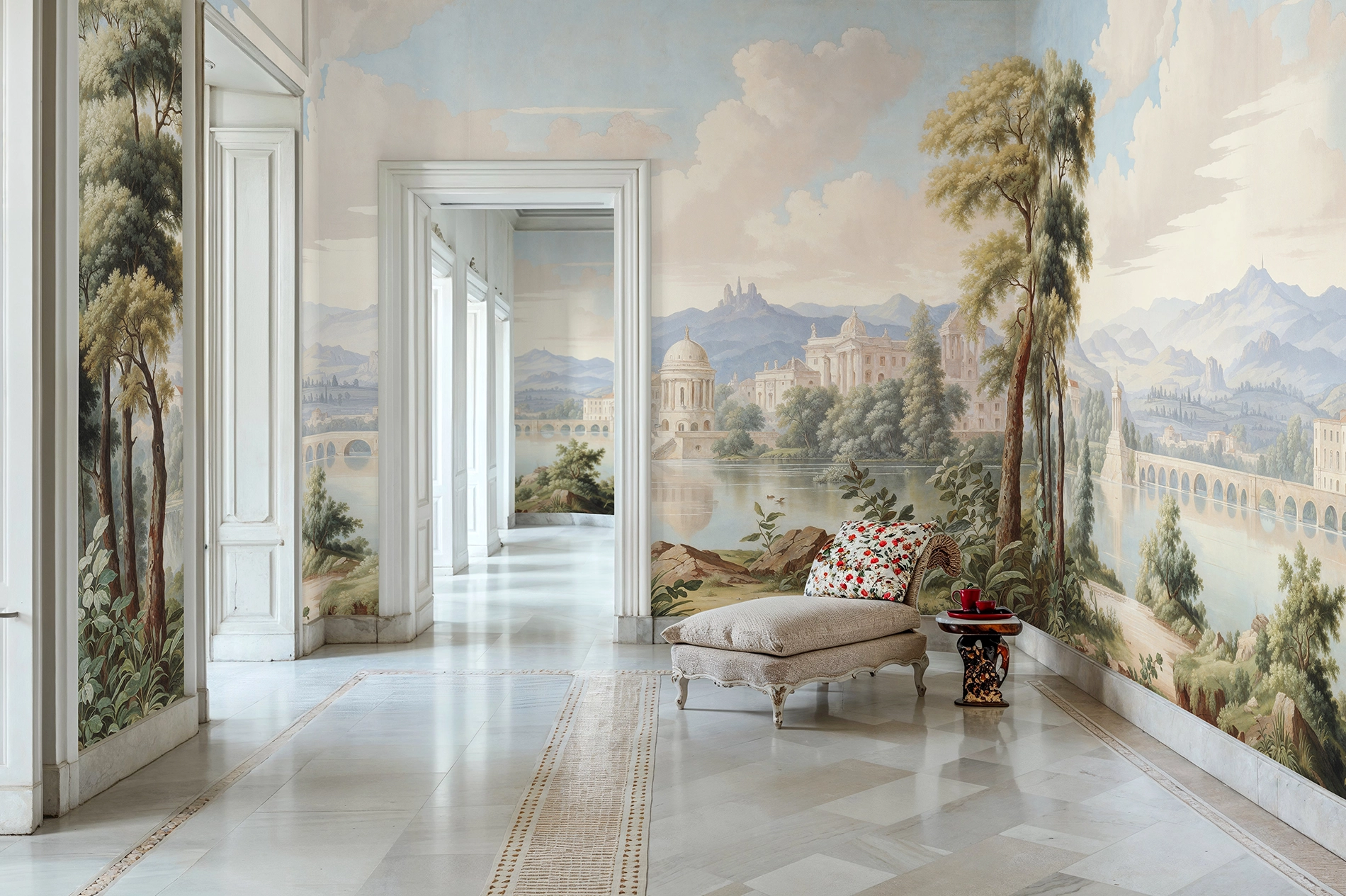
Autumn changes a home long before anything structural shifts. The same living room that felt open and incidental through summer begins to serve a different purpose, becoming a place for longer evenings, layered light, and slower routines. Bedrooms take on the character of retreats, hallways become opportunities for atmosphere, and surfaces that once receded into the background begin to shape how the entire interior feels.
The most compelling autumn interior trends are not driven by novelty so much as by a renewed appetite for warmth, depth, and emotional comfort. Homeowners are becoming less interested in decorative gestures that photograph well but contribute little to daily life. Instead, they are choosing color, pattern, texture, and light with greater intention, creating rooms that feel richer, more personal, and increasingly pleasurable to inhabit.
“The most successful interiors today aren’t necessarily the most expensive,” says Anne Puukko, founder of Nordic wallpaper brand Feathr. “They’re the ones people genuinely enjoy living in. Design is becoming much more personal, with homeowners choosing colours, materials and patterns that change how a room feels every day.”
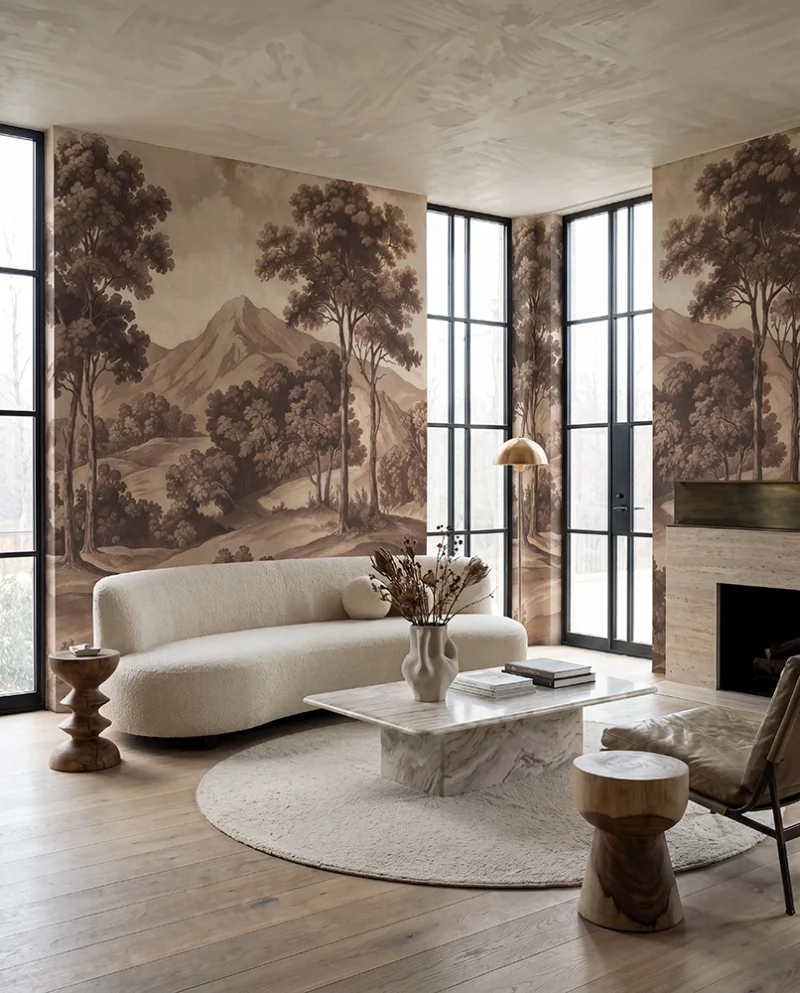
One of the clearest shifts is the rise of the single-room transformation. Rather than undertaking an entire renovation, homeowners are directing their attention toward one carefully chosen space and allowing it to carry a stronger decorative idea. A living room, bedroom, or entrance hall can be reimagined through a single immersive surface, often with more visual impact than a series of cautious updates spread throughout the home.
Wallpaper and wall murals have become especially effective within this approach. A woodland landscape, botanical composition, or painterly panorama can alter the proportions and mood of a room without requiring extensive construction. Feathr’s Wistman Oak mural, for example, introduces a sepia-toned forest scene that gives a living room a sense of age, mystery, and quiet enclosure. The room is transformed not through an abundance of objects, but through one decisive backdrop.
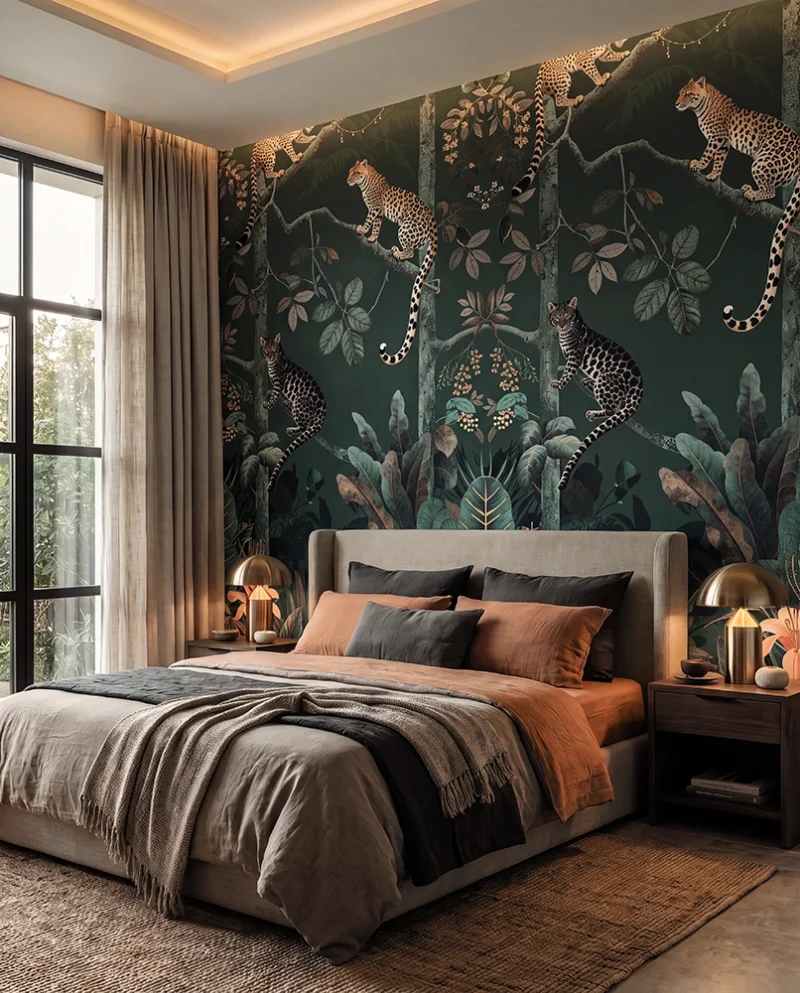
Color is also returning with greater confidence. The pale neutrals that dominated interiors for years are being joined, and sometimes replaced, by forest green, tobacco brown, midnight blue, oxblood, aubergine, and muted terracotta. These shades are more atmospheric than decorative, lending rooms a sense of depth that becomes particularly appealing as daylight shortens.
Bedrooms are among the most natural settings for this darker palette. A richly colored wall or enveloping mural can create a restful, cocooning effect, particularly when paired with soft textiles, warm timber, and low-level lighting. Feathr’s Panthera Green design, with its dense jungle foliage, surrounds the bed in saturated color while preserving an element of visual movement. The result feels less like a feature wall and more like an interior landscape.
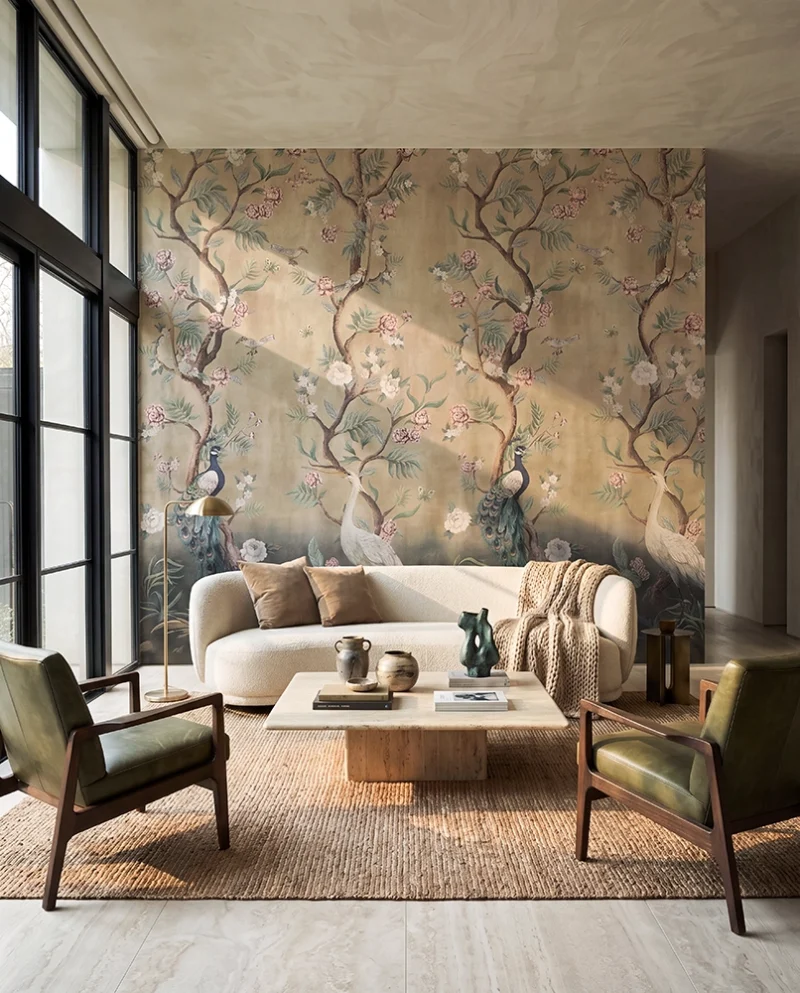
The new expression of luxury is increasingly found in layering. A room no longer needs to revolve around one extravagant object; its character can emerge through the relationship between multiple quieter elements. Painted woodwork, natural timber, patterned wallpaper, wool, velvet, linen, brushed metal, and diffused lighting work together to create a more nuanced environment.
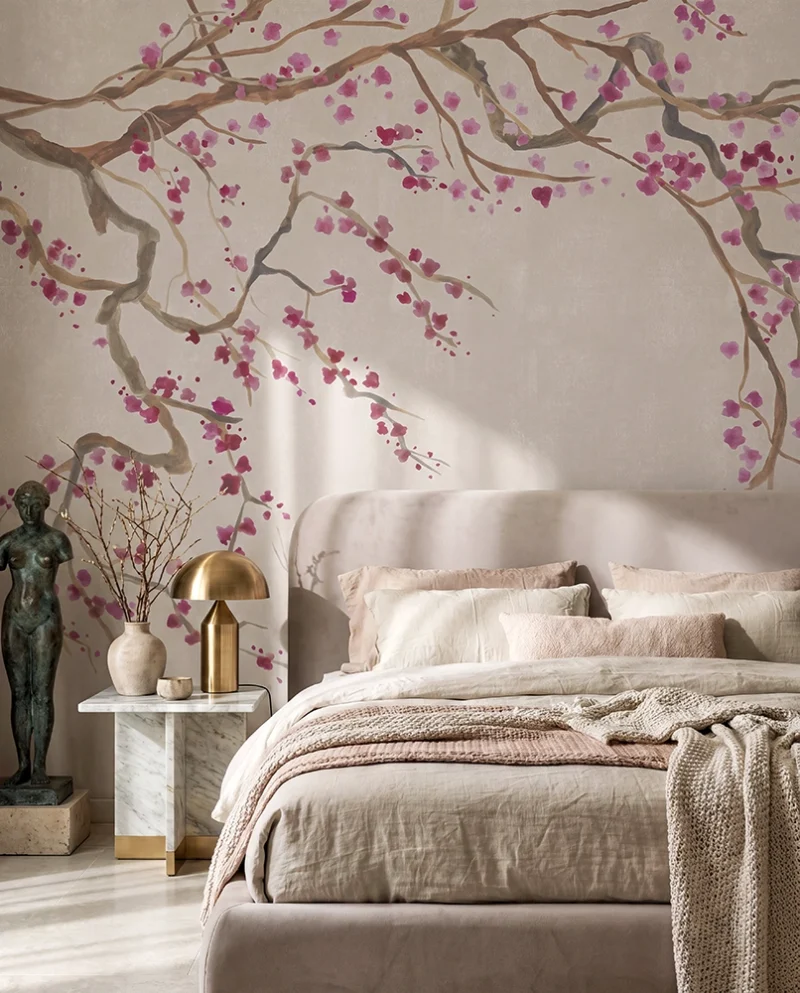
This layered approach gives an interior the feeling of having evolved over time. Feathr’s Takeda Sand mural, with sweeping cherry blossom branches, offers a delicate architectural frame around a bed, yet it is the combination of the mural with tactile upholstery, restrained color, and softly finished materials that gives the room its sense of completeness. Nothing needs to dominate. The effect is collected rather than coordinated, refined without appearing overly staged.
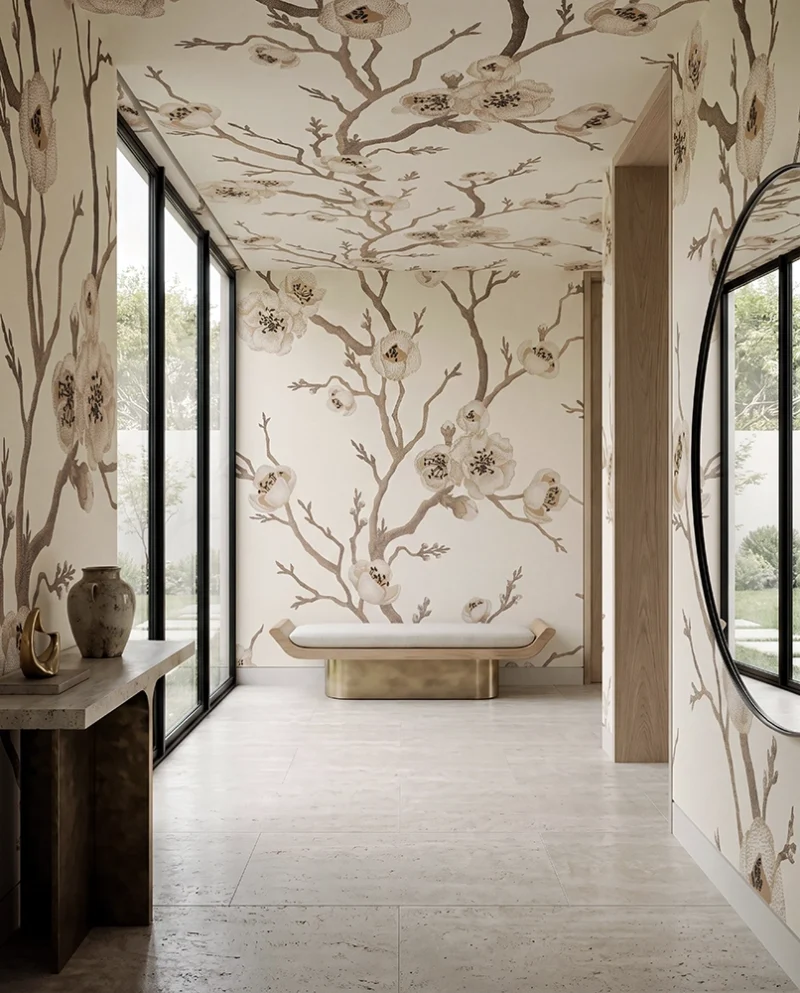
Another defining autumn interior trend is the move toward total immersion. Designers are extending wallpaper beyond the expected boundaries of the wall and continuing it across ceilings, alcoves, and architectural recesses. The ceiling, often called the fifth wall, is being treated as part of the room’s decorative composition rather than as an untouched plane above it.
“When wallpaper continues onto the ceiling, the room feels less like four separate walls and more like one complete environment,” Puukko explains. “It creates a wonderfully cocooning atmosphere that’s becoming increasingly popular.”
The approach can be particularly effective in transitional spaces. In a hallway, a softly patterned design wrapped across both walls and ceiling can turn a passage into an experience in its own right. Feathr’s Sakura in Bloom Cream creates this effect through a restrained botanical motif that feels serene rather than theatrical. The pattern draws the eye upward, softens the architecture, and gives the room a sense of visual continuity.
This interest in immersion reflects a broader desire for interiors that support wellbeing. Design is increasingly being judged by the way it influences mood, energy, and daily routine. Nature-inspired imagery, muted illumination, tactile materials, and quieter palettes can help create spaces that feel restorative rather than overstimulating.
Landscape murals are especially well suited to this emotional dimension. The Kagami Lake design, rendered as a watercolor scene of cherry blossoms and still water, brings an atmosphere of calm to the bedroom without relying on conventional decorative motifs. Its value lies not simply in what it depicts, but in the sense of distance, softness, and escape it introduces.
The strongest autumn interiors understand that comfort is not synonymous with informality. A room can be deeply inviting while remaining elegant, composed, and architecturally considered. Warmth can come from color, but also from shadow, texture, proportion, and the way materials interact under artificial light.
As the season draws daily life inward, the home becomes more than a backdrop. It becomes an environment that can either support or resist the rhythms of autumn. The most enduring interiors respond by becoming richer, softer, and more enveloping, not through excess, but through choices that make every room feel more complete.
