The Enduring Appeal of Traditional Design
Traditional interior designers in Los Angeles have a unique way of blending timeless elegance with local character.
In a city where modern trends come and go quickly, many homeowners crave spaces that feel classic and permanent.
This is why traditional design, with its focus on craftsmanship, proportion, and layered detail, continues to thrive.
I once visited a restored 1920s Spanish Colonial home in Beverly Hills, where the owners wanted interiors that respected the history of the architecture.
The designer didn’t just decorate; they curated a story by incorporating antique furniture, handwoven rugs, and wrought-iron accents.
The result was a home that felt rooted in history yet perfectly suited for modern living.
For those exploring traditional interior designers in Los Angeles, the goal is not to chase a trend but to create a space that will remain beautiful for decades.
Understanding What Traditional Really Means
More Than Just “Old-Fashioned”
Traditional design often gets misunderstood as being stuck in the past.
But in practice, it’s about layering textures, symmetry, and timeless details that give a home a sense of warmth and permanence.
Think of crown moldings, hardwood floors, elegant drapery, and heirloom-quality furniture pieces that can be passed down through generations.
In Los Angeles, where architecture ranges from Mediterranean villas to stately Tudors, traditional interiors bring out the inherent charm of the building.
It’s less about rigid rules and more about highlighting craftsmanship.
Balancing Comfort and Refinement
One homeowner in Hancock Park shared how their designer incorporated a grand piano into their living room as both a focal point and a family heirloom.
Rather than making the room formal and unapproachable, the designer softened it with plush seating, layered lighting, and personal collections.
This balance of elegance and comfort is what makes traditional interiors so livable.
Why Los Angeles Homeowners Choose Traditional Design
A Counterbalance to Fast Trends
Los Angeles is often associated with cutting-edge, futuristic spaces.
Yet, many homeowners find that minimalism or ultra-modern interiors lack warmth.
Traditional interiors offer a counterbalance—spaces that feel grounded, layered, and inviting.
One couple in Pasadena said they chose a traditional approach after living in a stark, modern loft downtown.
They missed the sense of comfort and familiarity they grew up with.
The transformation into a traditional space, complete with wood-paneled walls and classic furniture silhouettes, gave them a sense of “home” they hadn’t felt in years.
A Natural Fit for LA’s Historic Homes
Many neighborhoods in Los Angeles feature architectural gems from the 1920s, 30s, and 40s.
Restoring these homes with traditional design honors the original craftsmanship while updating them for modern lifestyles.
Designers often integrate original fireplaces, plaster walls, and vintage fixtures into a cohesive vision.
One story that stands out is a Craftsman bungalow in Silver Lake.
The designer restored original built-ins while adding updated lighting and fabrics that respected the home’s history.
The result was a seamless blend of old and new.
Key Elements That Define Traditional Interiors
Layered Textures and Fabrics
Velvet, silk, linen, and wool often come together to create a tactile richness.
Designers in Los Angeles often source fabrics from both local artisans and global mills to achieve the right balance.
A Hancock Park dining room might feature damask drapes, while a Malibu estate leans into lighter linens inspired by coastal breezes.
Symmetry and Balance
Traditional interiors thrive on harmony.
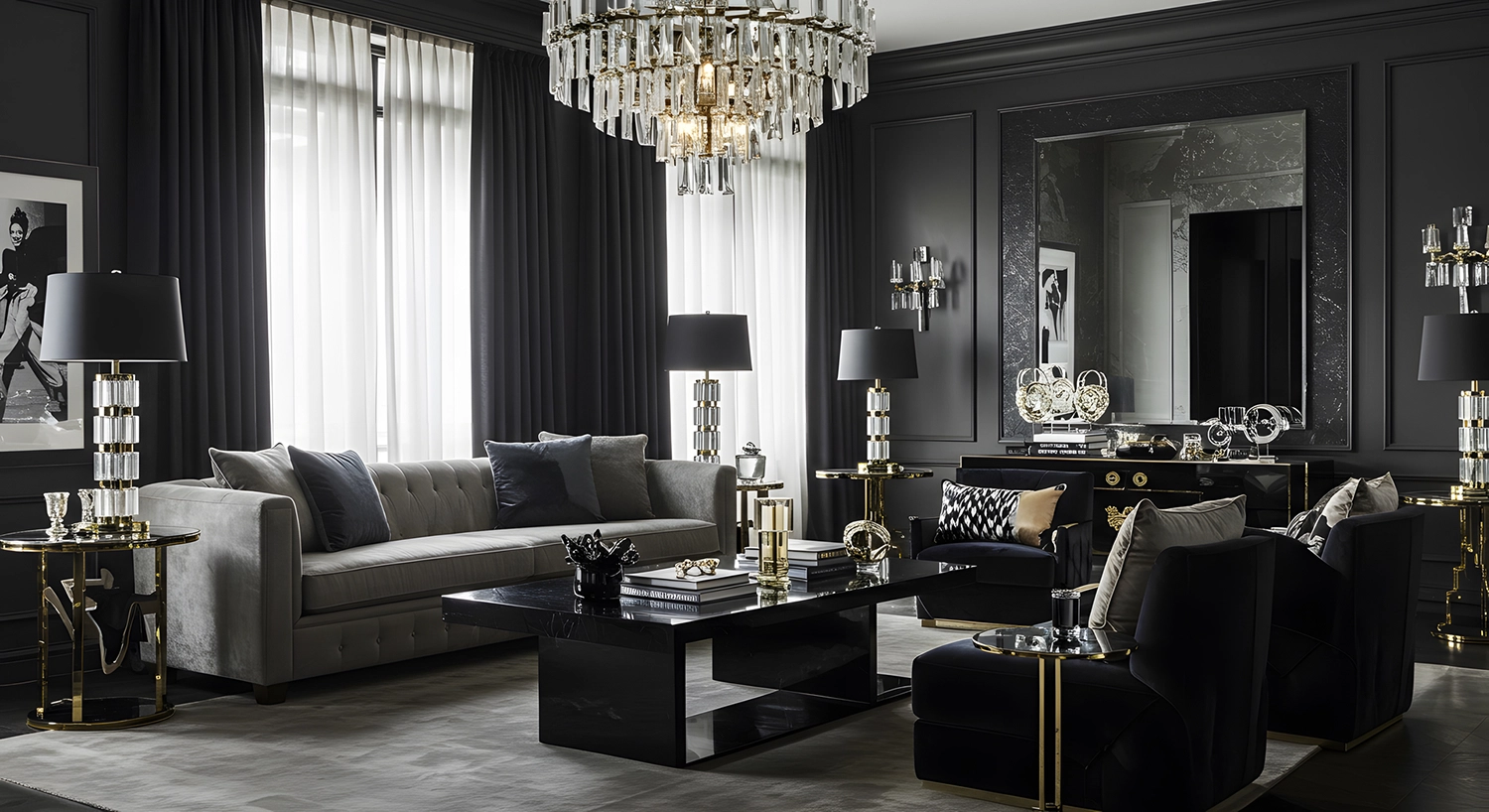
Rooms are often arranged with matching pairs of chairs, framed artwork hung in balanced groupings, and centered focal points like fireplaces or chandeliers.
This sense of order creates calm in otherwise bustling Los Angeles lives.
Quality Over Quantity
Instead of filling a space with disposable décor, traditional design emphasizes fewer, better pieces.
An antique armoire, a Persian rug, or a carved wooden table carries far more weight than mass-produced items.
This philosophy resonates with homeowners who want longevity in both style and function.
How Designers Personalize the Traditional Approach
Infusing Cultural Heritage
Los Angeles is one of the most culturally diverse cities in the world.
Many traditional designers incorporate personal heritage into the interiors they create.
For example, a Brentwood home may blend classic American traditional design with textiles inspired by Mexican craftsmanship or European antiques passed down through generations.
Blending Modern Needs with Timeless Aesthetics
Today’s families want traditional style without sacrificing convenience.
Designers often hide modern technology behind custom cabinetry or use updated fabrics that resist spills while still looking luxurious.
This makes the design both beautiful and practical.
Real-Life Experiences from Homeowners
One family in the Hollywood Hills shared how their designer helped them transform a chaotic, mismatched home into a cohesive traditional retreat.
The designer carefully preserved architectural details while layering in family heirlooms and new custom furniture.
Now, the home feels timeless but not like a museum—it’s alive with personal meaning.
Another homeowner told me about inheriting a 1930s home in Los Feliz.
They wanted to keep its charm while making it functional for their young children.
Their designer incorporated built-in storage, durable yet elegant fabrics, and a mix of vintage finds with custom pieces.
The result: a traditional home full of warmth that fits their daily life.
Why Traditional Still Wins in Los Angeles
Los Angeles may be the land of innovation, but homeowners continue to invest in traditional design for one reason—it lasts.
Trends can look dated within a few years, but traditional interiors retain their beauty across generations.
That’s why families often describe these spaces as “forever homes.”
At the end of the day, traditional interiors in Los Angeles reflect a deeper value: creating a home that feels rooted, intentional, and meaningful.
It’s not just about appearances; it’s about crafting a space that supports the rhythms of daily life while honoring history.