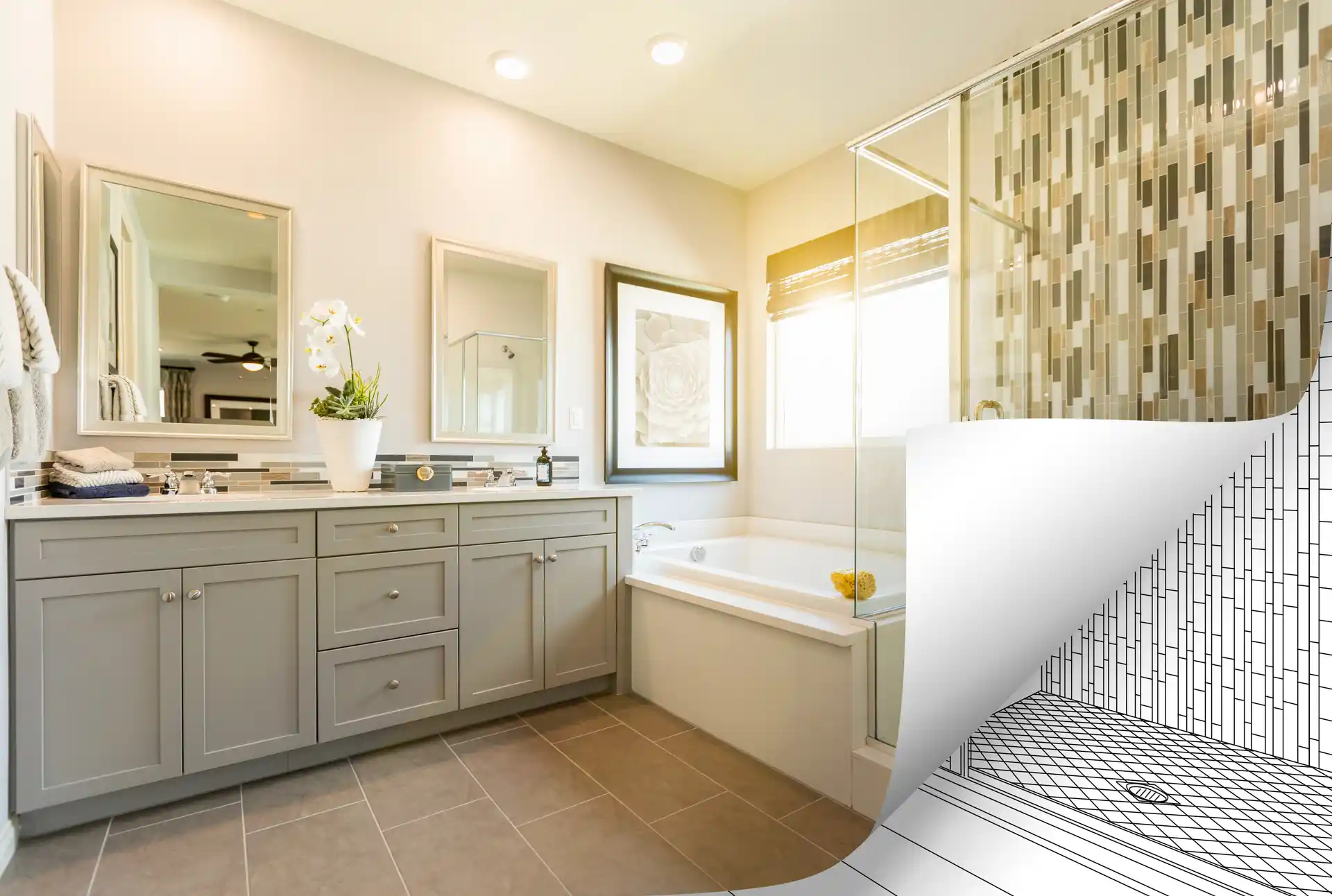
Bathroom renovation Valley Village projects often begin with excitement, but they can quickly become overwhelming when planning is rushed or unclear.
I learned this during my first remodel when I assumed small decisions could be made on the fly.
What followed were delays, budget creep, and rework that could have been avoided with better preparation.
That experience reshaped how I now approach every bathroom remodel.
Why Bathrooms Are the Most Complex Room to Renovate
Bathrooms are small, but they are the most complex space in a home.
They combine plumbing, electrical, ventilation, waterproofing, and finishes into one tight footprint, which is why Bathroom renovation Valley Village projects demand far more coordination than most people expect.
When even one of those elements is overlooked, delays show up fast.
I once watched a neighbor redo a bathroom twice because waterproofing details were skipped behind the tile.
Everything looked perfect until moisture stains appeared six months later.
That experience alone proves why planning matters more here than in any other renovation project.
Starting With Clear Goals Instead of Random Ideas
A successful remodel starts by identifying the real problem.
Many homeowners focus on finishes before understanding what actually needs to change.
Is the issue storage, layout, lighting, or aging plumbing?
During my own remodel, I realized the space didn’t function well during busy mornings.
Once that became the priority, every design decision became easier.
Clear goals prevent last-minute changes that slow everything down.
Designing a Layout That Matches Daily Habits
A bathroom should support how it is used every single day.
Door swings, vanity depth, and shower placement matter more than trends.
I once chose a vanity that looked perfect online, but blocked cabinet access once installed.
That single mistake caused a delay while a replacement was ordered.
Mocking up layouts and testing clearances avoids these preventable setbacks.
Choosing Materials Built for Moisture and Wear
Bathrooms are high-humidity environments that punish weak materials.
Water-resistant surfaces, sealed grout, and proper ventilation protect the investment.
I once used a decorative surface not rated for wet areas.
Within a year, discoloration and swelling appeared near the shower.
Since then, durability always outweighs aesthetics when choosing finishes.
Building a Realistic Budget From Day One
A solid budget accounts for more than visible upgrades.
Hidden plumbing issues, code updates, and delivery delays should be expected.
I now always include a contingency buffer because surprises are inevitable behind walls.
That buffer removes panic and keeps decisions calm and rational.
Financial clarity is one of the biggest stress reducers in any remodel.
Scheduling the Remodel to Prevent Downtime
Timing mistakes can shut down a bathroom for weeks.
Materials should be ordered and confirmed before demolition begins.
I once waited on a custom fixture that arrived late, leaving the space unusable.
Now I never start a demo until all major components are secured.
Proper scheduling keeps progress steady and predictable.
Understanding Permits and Inspections Early
Bathroom renovations often require permits for plumbing and electrical changes.
Skipping this step can lead to inspection failures or resale issues later.
I’ve seen projects paused mid-construction because approvals were overlooked.
Handling permits upfront keeps the remodel compliant and uninterrupted.
It also protects the homeowner long after the work is complete.
Communication Keeps the Remodel on Track
Most renovation stress comes from unclear expectations.
Written selections, documented changes, and frequent updates prevent confusion.
During my last remodel, a shared checklist eliminated installation errors entirely.
Everyone involved knew what was approved and what was next.
Good communication saves time and avoids unnecessary conflict.
Final Inspections Are Not Optional
The final walkthrough is the last chance to catch issues.
Drainage, grout consistency, fixture alignment, and ventilation should all be tested.
I once skipped a detailed inspection and later had to reopen the tile for a slow drain.
That mistake cost time and money that could have been avoided.
A bathroom should be fully finished, not almost finished.
Why Thoughtful Planning Changes Everything
A bathroom remodel doesn’t have to feel stressful or unpredictable.
When planning is treated as the main project, everything else flows smoothly.
My best renovation experiences came from slowing down at the beginning.
That approach turns chaos into confidence.
And confidence is what keeps a bathroom renovation moving forward without delays.